Common Causes of Paver Shifting and Settling
Understanding common causes of paver shifting and settling helps homeowners identify issues that local service providers can repair to restore stability and appearance.
If your pavers are beginning to shift, settle, or become uneven, you're not alone. Many property owners in the area notice these changes over time and seek practical explanations for why their paved surfaces are moving. Understanding common causes of paver shifting and settling can help you identify potential issues early and make informed decisions about repairs or maintenance. Whether it’s due to soil movement, improper installation, or environmental factors, knowing what might be behind the problem can guide you toward effective solutions.
Thankfully, local contractors who specialize in paver repair are well-equipped to address these concerns. They can assess the underlying causes of paver shifting and settling, ensuring that repairs are tailored to the specific issues affecting your property. Exploring these causes in detail can empower you to take proactive steps and connect with experienced service providers who can restore stability and appearance to your paved surfaces. Keep reading to learn more about what might be causing your pavers to shift and how local pros can help restore your outdoor space.
- Paver Repair - homeowners noticing uneven or sunken pavers due to shifting soil or poor base preparation can rely on local contractors to restore level surfaces.
- Paver Repair - when pavers start to drift or separate because of tree root growth or ground movement, local pros assess the underlying causes and stabilize the area.
- Paver Repair - settling caused by inadequate drainage or water pooling can prompt property owners to seek professional help for proper repairs and long-term stability.
- Paver Repair - cracks or unevenness resulting from freeze-thaw cycles or soil erosion often lead residents to contact local service providers for corrective work.
- Paver Repair - shifting pavers due to heavy loads or improper installation may require expert intervention to realign and reinforce the paved surface.
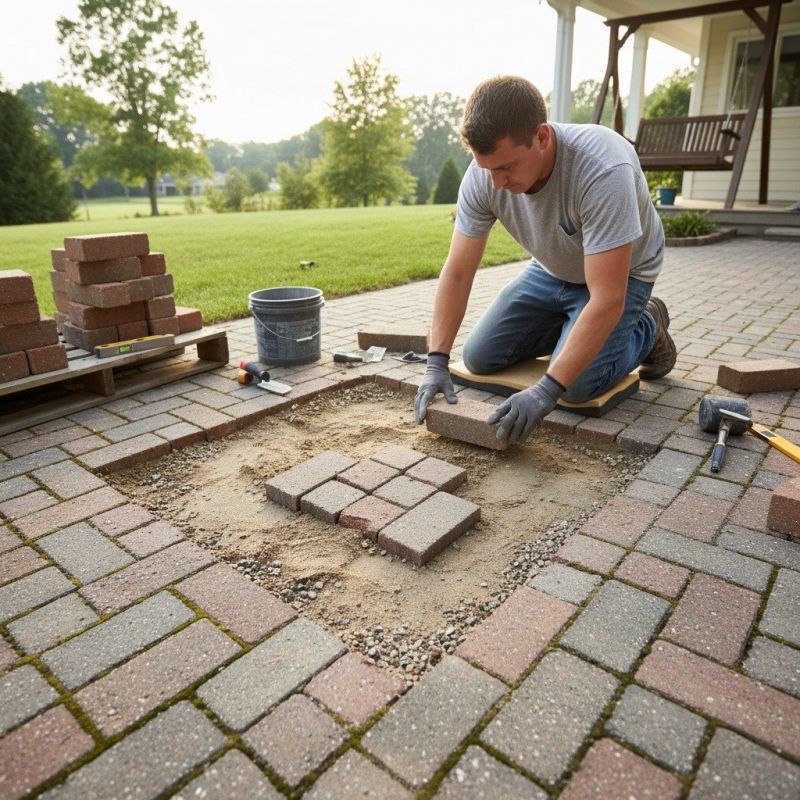
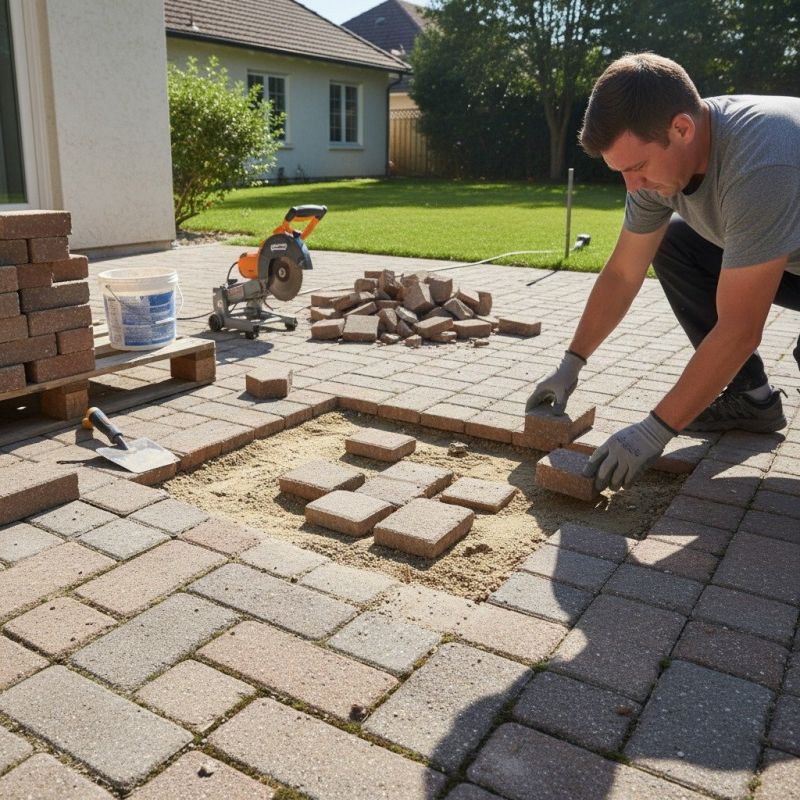
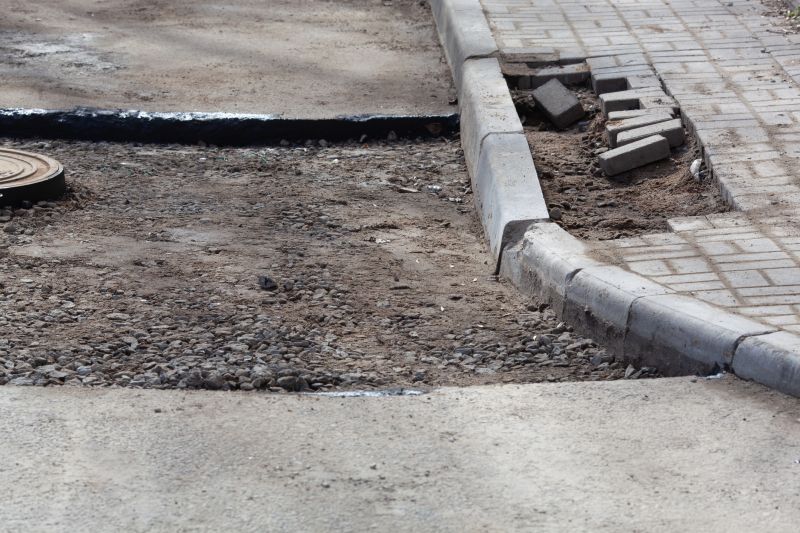
When homeowners search for information about the common causes of paver shifting and settling, they are often concerned about the stability and appearance of their paved surfaces. Pavers are a popular choice for patios, walkways, driveways, and pool decks because of their durability and aesthetic appeal. However, over time, they can become uneven or develop gaps, which can lead to tripping hazards, drainage issues, or a less attractive look. Understanding what causes these shifts helps property owners plan repairs or replacements effectively and maintain the integrity of their outdoor spaces.
The problems related to paver shifting and settling typically involve structural or environmental factors that compromise the foundation beneath the pavers. For example, inadequate base preparation or poor installation techniques can lead to uneven settling. Changes in moisture levels-such as water pooling or excessive drying-can cause the soil beneath to expand or contract, resulting in movement. Additionally, soil erosion, tree roots growing underneath, or freeze-thaw cycles can exert pressure on the pavers, causing them to lift or shift out of place. Property owners often seek guidance on these causes to determine whether repairs are needed or if adjustments to drainage or soil stabilization are necessary.
These issues commonly affect residential properties with driveways, walkways, or backyard patios, especially in areas where soil conditions are unstable or prone to moisture fluctuations. Commercial properties, public parks, and landscaped areas with paver installations can also experience similar problems. The type of property, along with its location and soil composition, influences the likelihood of shifting and settling. When problems arise, property owners typically consider repair options that restore the surface’s stability and appearance. Local service providers who specialize in paver repair can assess the underlying causes and recommend appropriate solutions to prevent future shifting.
Understanding the common causes of paver shifting and settling helps homeowners recognize early warning signs and plan for effective repairs. When issues stem from soil movement, improper installation, or environmental factors, professional paver repair contractors can address these root causes through proper base stabilization, drainage improvements, or soil reinforcement. These specialists are experienced in diagnosing the specific factors affecting each property and delivering tailored solutions. Connecting with local pros ensures that repairs are performed correctly, helping to prolong the lifespan of paved surfaces and maintain their safety and visual appeal over time.
Paver installation projects - Proper planning and groundwork are essential in paver installation, similar to addressing common causes of paver shifting and settling, which often result from poor foundation preparation.
Landscape grading services - Ensuring proper drainage and slope can prevent water-related issues that cause paver movement, making landscape grading a related skill for maintaining stable paver surfaces.
Foundation repair projects - Addressing underlying soil or foundation problems can help prevent paver settling, as both require understanding soil stability and proper support techniques.
Driveway and walkway construction - These projects involve similar planning and material use, with local contractors managing issues that can lead to shifting and uneven settling of pavers.
Soil stabilization work - Techniques to improve soil stability are applicable in preventing paver shifting caused by loose or unstable ground conditions.
Drainage system installation - Proper drainage solutions help mitigate water infiltration that can weaken the soil supporting pavers, addressing a common cause of settling.
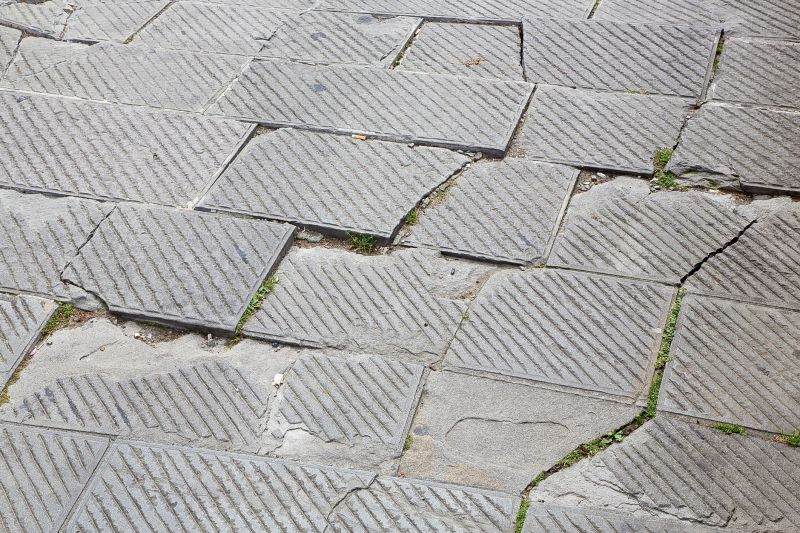
When comparing service providers for paver repair, it’s important to consider their experience with similar projects. Homeowners should look for local contractors who have a proven track record of addressing common causes of paver shifting and settling. This experience often indicates familiarity with the specific challenges that can arise, such as soil movement, improper base installation, or drainage issues. A contractor’s history of successful repairs on projects similar in scope and complexity can provide confidence in their ability to diagnose and resolve the underlying issues effectively.
Clear, written expectations are essential when evaluating potential service providers. Homeowners should seek detailed proposals that outline the scope of work, materials to be used, and the steps involved in the repair process. This transparency helps ensure that everyone is aligned on the project’s goals and prevents misunderstandings later on. Well-defined expectations also make it easier to compare different contractors and assess their professionalism and attention to detail, which are crucial for long-lasting repairs.
Reputable references and good communication are key factors when choosing local contractors for paver repair. Service providers who can provide references from past customers or showcase examples of completed projects demonstrate credibility and reliability. Additionally, clear and responsive communication throughout the process indicates a contractor’s commitment to customer service and their ability to explain technical issues related to common causes of paver shifting and settling. These qualities help ensure a smooth repair experience and a final result that meets expectations.
Property owners often search for common causes of paver shifting and settling when they are planning practical projects around their homes and businesses. Local pros provide Paver Repair services for everyday jobs and straightforward project options.
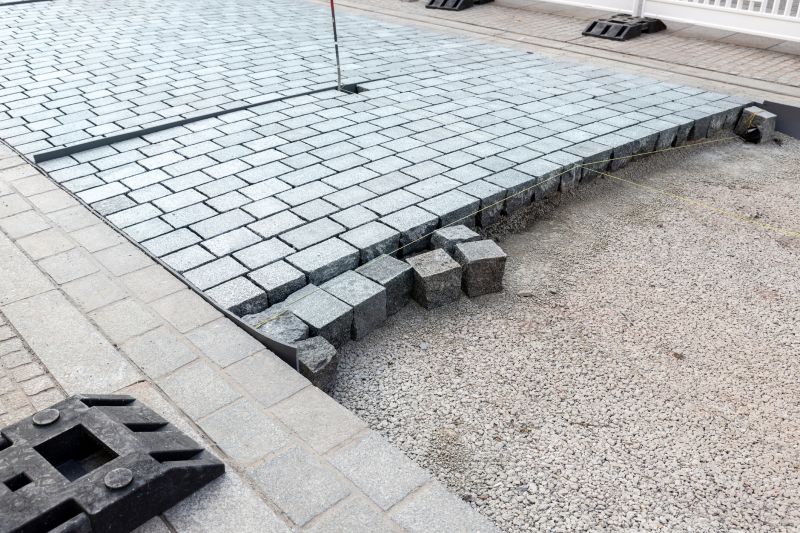
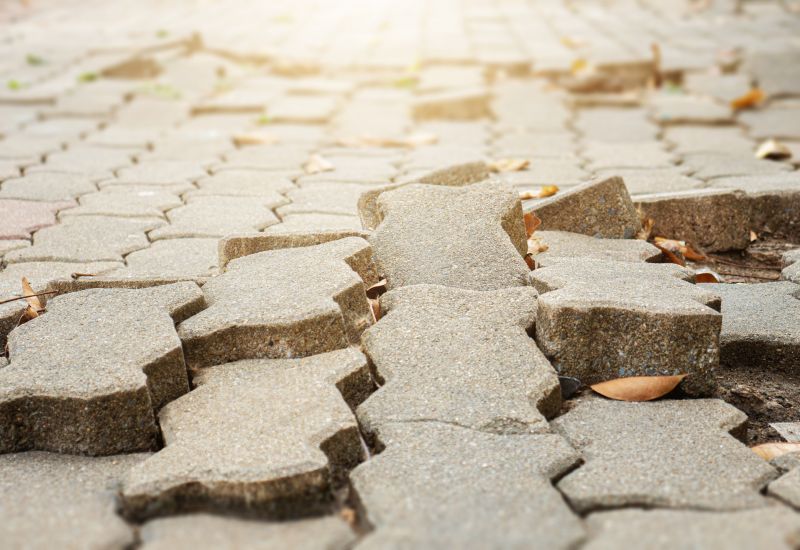
Understanding the common causes of paver shifting and settling can help property owners identify potential issues early on. Everyday project situations, such as improper base preparation or inadequate drainage, often lead to unstable paver installations. Heavy foot traffic or frequent use of the paved area can also contribute to movement over time. Additionally, natural ground movement, like soil expansion or contraction due to moisture changes, may cause pavers to shift or settle unevenly. When these issues occur, local contractors experienced in paver repair can assess the situation and recommend appropriate solutions to restore stability and appearance.
Property owners in the area might also notice that shifting and settling are caused by factors like poor compaction during installation or the presence of organic material beneath the pavers. Over time, these conditions can weaken the foundation, leading to uneven surfaces. Seasonal changes or improper installation techniques can exacerbate the problem, making repairs necessary. Local service providers specializing in paver repair are equipped to address these common causes, helping to prevent further damage and maintain the integrity of the paved surfaces.
What are common causes of paver shifting and settling? Common causes include soil movement, poor base preparation, inadequate drainage, and ground freeze-thaw cycles, which can all lead to paver displacement. Local contractors experienced in paver repair can assess and address these issues effectively.
How does soil movement affect paver stability? Soil movement, often due to moisture changes or compaction issues, can cause pavers to shift or settle unevenly. Skilled service providers can stabilize the ground to prevent future shifting.
Can poor base preparation lead to paver settling? Yes, insufficient or improper base material and compaction during installation can result in uneven settling over time. Local pros can re-level and reinforce the base to restore stability.
What role does drainage play in paver shifting? Poor drainage can lead to water accumulation and soil erosion beneath pavers, causing them to shift or settle. Experienced contractors can improve drainage to protect the paver surface.
How do freeze-thaw cycles contribute to paver problems? Repeated freezing and thawing cause ground expansion and contraction, which can lift or shift pavers. Local service providers can repair and reinforce paver installations to withstand these cycles.
Soil instability - property owners can assess drainage and soil conditions to prevent shifting caused by loose or uneven ground, with local contractors providing stabilization solutions.
Poor base preparation - ensuring a solid foundation before installation can help avoid settling issues, and local pros can evaluate and improve existing bases if necessary.
Tree roots - removing or managing nearby roots can reduce pressure on pavers, with local service providers offering root barrier installation or other corrective measures.
Heavy loads and traffic - limiting weight or traffic on paved areas can prevent shifting, and local pros can reinforce paver installations to better withstand daily use.
If you are thinking about common causes of paver shifting and settling for a property, this guide is meant to help you understand this topic, the typical project types, and how different options might fit your plans.
When you are ready, you can use the quote form on this page to share a few details about your project. From there, local pros can review the basics and follow up with options that match what you have in mind.