Signs It’s Time to Reseal Your Pavers
Noticing cracks, stains, or worn surfaces are signs it’s time to reseal your pavers, and local contractors can help restore and protect your outdoor surfaces effectively.
Property owners noticing wear and tear on their paved surfaces often wonder when it’s time to reseal their pavers. Recognizing the signs early can help maintain the appearance and durability of outdoor spaces like driveways, patios, or walkways. Common indicators include a dull or faded surface, the presence of stains or moss, and areas where the paver joints appear to be eroding or cracking. Addressing these issues promptly with the help of experienced local contractors can prevent further damage and keep outdoor areas looking their best.
Exploring the signs it’s time to reseal your pavers is a practical step for homeowners seeking to protect their investment. When pavers start to show signs of aging or surface damage, professional resealing services can restore their original look and improve their resilience against the elements. Local service providers specialize in assessing the condition of pavers and applying the appropriate sealant to extend their lifespan. Keep reading to learn more about how to identify these signs and how local experts can assist in keeping outdoor surfaces in top condition.
- when signs it’s time to reseal your pavers include visible wear, fading, or surface staining, which local contractors can restore with proper sealing techniques. - cracked or chipped pavers often indicate the need for resealing, and service providers can evaluate and address these issues to prolong paver lifespan. - areas with frequent water pooling or erosion may require resealing to prevent further damage, with local pros applying protective coatings for durability. - after cleaning or power washing, resealing can help maintain the appearance and prevent future staining, with local contractors providing expert application. - when pavers start to lose their color or become slippery, resealing services from local pros can enhance safety and improve overall aesthetics.
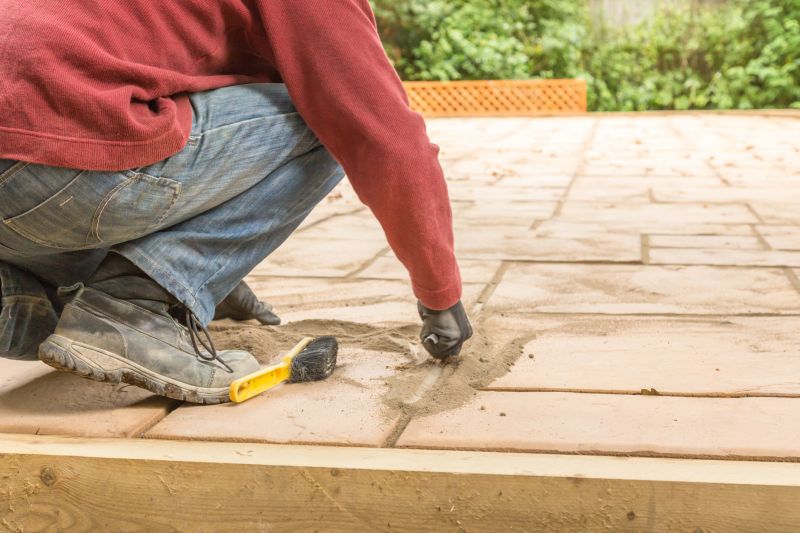
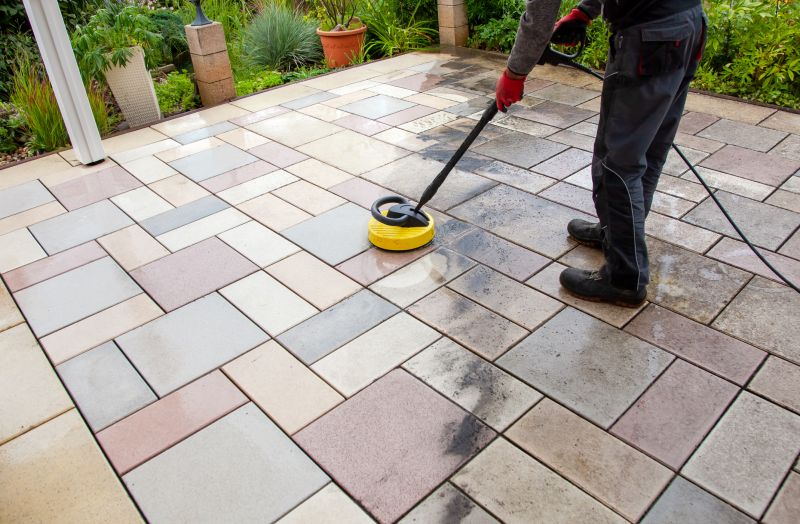
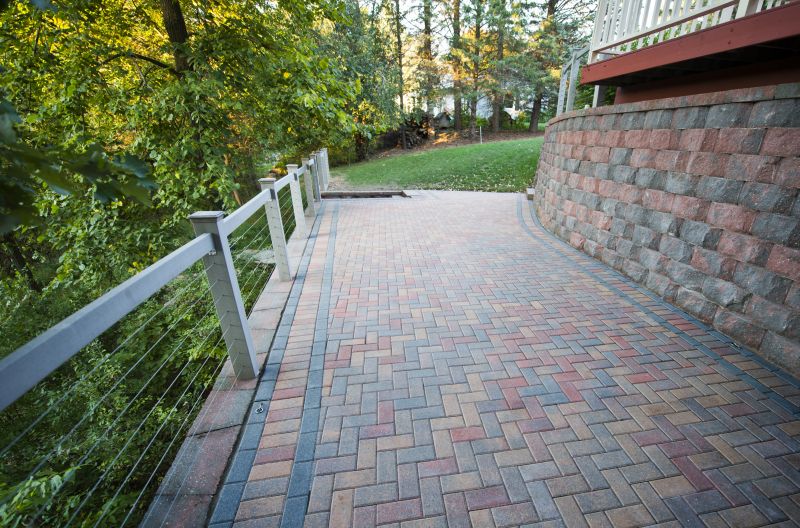
When homeowners search for signs it’s time to reseal your pavers, they are usually looking for clear indicators that their existing sealant has begun to deteriorate. Over time, exposure to weather, foot traffic, and other environmental factors can cause the protective coating on pavers to break down. Common signals include the appearance of fading color, a loss of shine, or a dull, weathered look that diminishes the overall appeal of the paved area. Homeowners may also notice areas where the sealant has started to peel or flake, exposing the surface beneath to potential damage. Recognizing these signs early can help prevent more serious issues like paver erosion or staining, making timely resealing a practical step to maintain the longevity and appearance of outdoor surfaces.
Resealing pavers is often associated with protecting and preserving outdoor living spaces such as patios, walkways, driveways, and pool decks. When the sealant wears thin or becomes compromised, it can lead to problems like weed growth in between pavers, staining from spills or dirt, and increased vulnerability to cracking or shifting. Many property owners consider resealing as part of routine maintenance to extend the life of their paved surfaces and keep them looking fresh. Additionally, some homeowners plan resealing projects as a way to restore the vibrant color and smooth finish of their pavers, especially after years of exposure to the elements. Local contractors who specialize in paver resealing can assess the condition of existing sealant and recommend the best approach to address these issues effectively.
The types of properties that typically come up when discussing signs it’s time to reseal your pavers include residential homes, commercial establishments, and community spaces. Residential properties often feature paved patios, driveways, or walkways that enhance curb appeal and functionality. Commercial properties, such as restaurants, retail centers, or apartment complexes, rely on well-maintained pavers to create inviting outdoor environments. Community parks, sports courts, and public plazas also frequently use pavers that require periodic resealing to withstand heavy foot traffic and weather exposure. Regardless of the property type, the goal is to preserve the structural integrity and visual appeal of the paved surfaces. Local service providers who specialize in paver resealing understand the specific needs of different property types and can recommend tailored solutions to keep outdoor spaces in top condition.
Understanding when to reseal pavers can help property owners avoid costly repairs and maintain a clean, attractive appearance. Signs such as a loss of color vibrancy, a dull or chalky surface, or visible cracks and gaps between pavers are common indicators that resealing may be needed. Additionally, if water no longer beads on the surface or if stains and dirt become more difficult to clean, these are signals that the protective sealant has worn away. Homeowners who notice these issues should consider consulting with local contractors who offer paver resealing services. These professionals can evaluate the condition of the existing sealant, recommend appropriate treatments, and ensure that the outdoor surfaces remain durable and visually appealing for years to come.
Concrete Patio Restoration - Similar skills in surface preparation and sealing are required for restoring and sealing concrete patios, ensuring durability and appearance.
Driveway Sealing Services - Driveway sealing involves assessing surface condition and applying protective coatings, paralleling the process of resealing pavers to prevent damage.
Brick and Stone Cleaning - Cleaning and preparing brick or stone surfaces for sealing shares techniques used in paver resealing to enhance longevity and appearance.
Outdoor Surface Repair - Repairing cracked or damaged outdoor surfaces involves planning and surface prep skills relevant to identifying when resealing is necessary.
Pool Deck Resurfacing - Resurfacing pool decks requires surface assessment and sealing to maintain safety and aesthetics, similar to paver maintenance.
Stamped Concrete Sealing - Applying sealants to stamped concrete involves surface evaluation and sealing techniques comparable to those used on paver surfaces.
When evaluating different service providers for paver resealing, it’s important to consider their experience with similar projects. Homeowners should inquire about how long a contractor has been working with paver sealing and whether they have completed jobs comparable in size and scope. An experienced contractor will be familiar with the specific challenges that can arise during resealing and will be better equipped to deliver a quality result. Additionally, checking for reputable references or reviews can provide insight into the consistency of their work and customer satisfaction, helping homeowners gauge whether a particular contractor has a track record of successful projects.
Clear, written expectations are essential when choosing a service provider for paver resealing. Homeowners should seek detailed explanations of what the job entails, including preparation steps, the types of sealers used, and the expected results. Having these details in writing helps prevent misunderstandings and ensures both parties are aligned on the scope of work. It’s also helpful to ask how the contractor plans to address any potential issues that could arise during the process, which demonstrates transparency and professionalism.
Good communication is a key factor in a positive working relationship with local contractors. Homeowners should pay attention to how promptly and clearly a service provider responds to questions and whether they demonstrate a thorough understanding of signs it’s time to reseal your pavers. Contractors who are willing to provide thorough explanations and listen carefully to homeowner concerns tend to be more reliable and easier to work with. This open line of communication can make the entire process smoother and help ensure the project meets expectations from start to finish.
Property owners often search for signs it’s time to reseal your pavers when they are planning practical projects around their homes and businesses. Local pros provide Paver Resealing services for everyday jobs and straightforward project options.
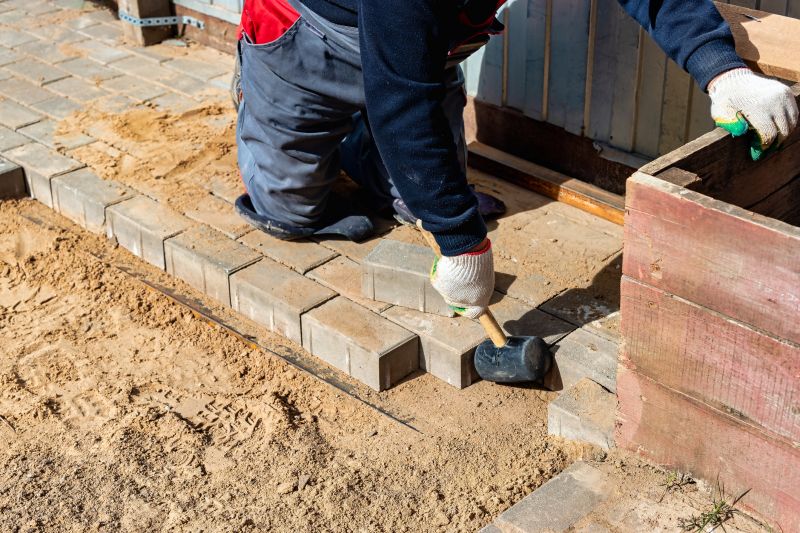
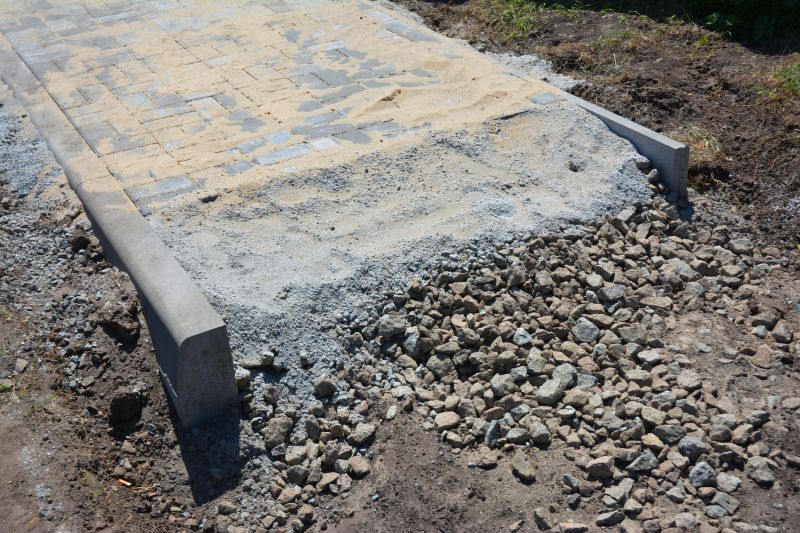
Property owners in the area often notice signs that it’s time to reseal their pavers when the surface begins to look dull or faded, losing its original vibrancy. Cracks or chips appearing in the paver surface can also indicate that the protective seal has worn down, leaving the material more vulnerable to damage. Additionally, if water no longer beads on the surface or seems to seep into the pavers, it’s a clear sign that the sealant’s protective barrier has diminished. In such cases, reaching out to local contractors who specialize in paver resealing can help restore the appearance and integrity of the surface, ensuring it remains durable and attractive.
Other common indicators include the buildup of stains or discoloration that are difficult to clean, which often results from the sealant’s failure to prevent dirt and debris from settling into the pavers. When moss, algae, or weeds start to grow between the joints, it can also suggest that the seal has broken down, allowing moisture to penetrate more easily. Property owners noticing these issues may consider connecting with local service providers experienced in paver resealing to evaluate the condition of their surfaces. These professionals can assess the need for resealing and help maintain the longevity and visual appeal of the paved areas.
What are common signs that pavers need resealing? Visible wear, such as fading color, surface stains, or a loss of the original shine, often indicate it’s time to consider resealing pavers. Local contractors can assess the condition and recommend appropriate services.
How can I tell if the sealant on my pavers has worn off? When the surface begins to look dull, or water no longer beads on the surface, it suggests the sealant may have deteriorated. Service providers can evaluate and restore the protective layer.
Are there any signs of damage or deterioration that suggest resealing is needed? Cracks, chips, or loose pavers can be signs that resealing is necessary to protect against further damage. Local pros can inspect and perform the needed maintenance.
What impact does weathering have on paver surfaces? Exposure to sun, rain, and foot traffic can cause fading, staining, and surface erosion, indicating a need for resealing. Professionals can help restore the pavers’ appearance and durability.
Can discoloration or staining indicate it’s time to reseal pavers? Yes, persistent discoloration or stains that won’t clean away may mean the sealant has worn off, and resealing can help protect and improve the surface. Local service providers can handle this work efficiently.
Cracked or chipped pavers - noticing damage like cracks or chips can indicate the need for resealing to protect the surface from further deterioration.
Fading or discoloration - if the paver color appears dull or uneven, local contractors can help restore and seal the surface for a refreshed look.
Stains or spills that won’t wipe away - persistent stains suggest that resealing may be necessary to prevent permanent damage and make cleaning easier.
Loss of surface sheen or slipperiness - a dull or slippery surface can be a sign that the protective seal has worn off, and resealing can improve safety and appearance.
If you are thinking about signs it’s time to reseal your pavers for a property, this guide is meant to help you understand this topic, the typical project types, and how different options might fit your plans.
When you are ready, you can use the quote form on this page to share a few details about your project. From there, local pros can review the basics and follow up with options that match what you have in mind.